In 2003, we were given the opportunity to deliver the first generation of a retail media advertising solution for Manor supermarket in Switzerland, one of the most recognized supermarket chains in Europe. This project marked a turning point for DGCT and laid the foundation for what would become our ADOOH platform.
What started as a simple digital signage integration evolved into a sophisticated, data-driven retail media ecosystem—built to support localised advertising, complex campaign rules, and reliable proof-of-display reporting across hundreds of devices
Transforming a Weighing Scale Into a Retail Media Surface

Manor introduced a new generation of weighing scales equipped with customer-facing digital displays. These screens represented an untapped opportunity to communicate promotions, brand messages, and contextual information directly at the point of purchase.
Our mandate included:
-
Embedding a video-capable media player into each weighing scale
-
Ensuring seamless coexistence between weighing functions and dynamic content
-
Building a backend architecture to distribute, schedule, and monitor content remotely
Globalch Media took responsibility for advertising sales, while DGCT was entrusted with the full technical and architectural design of the solution.
The collaboration ensured a smooth combination of commercial strategy and engineering excellence.
Early Challenges: Where Complexity Emerged
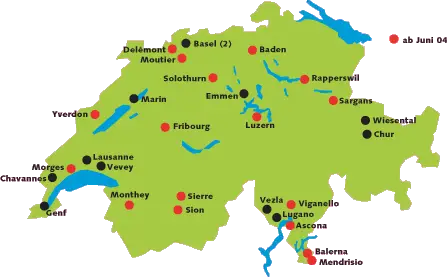
While the initial concept focused on serving just three language-based regions, real-world needs quickly revealed deeper challenges.
1. Localisation Beyond Regional Language Zones
Campaigns did not start and end simultaneously across all stores. Advertisers began requesting:
-
-
- Store-specific scheduling
- Localised promotions tied to inventory
- Unique campaign durations per location
-
This pushed us far beyond the original model of simple region-based targeting.
2. Day-Parting and Time-Slot Management Became Essential
Brands wanted campaigns that only ran:
-
-
- At specific hours (morning, lunch, after-work peak)
- On selected days of the week
- In overlapping time windows with priority rules
-
This level of precision required a smarter scheduling engine than initially planned.
3. Proof-of-Display Increased IT System Stress
As accountability became a requirement, the system had to support:
-
-
- Playback verification
- Timestamped logs
- Audit-ready proof-of-display reports
-
Logs generated heavy traffic and resource usage on already constrained devices, exposing the need for a more efficient data architecture.
The Birth of the First-Generation adooh Platform
These operational pressures—localised campaigns, sophisticated time-based rules, and the need for reliable reporting—directly influenced the design of our first ADOOH platform.
The platform introduced:
-
-
- A rule-based campaign scheduler capable of handling localisation, day-parting, and dynamic targeting
- Lightweight, resilient device agents optimized for limited hardware resources
- A scalable backend capable of managing logs, monitoring playback, and supporting large volumes of proof-of-display data
- Tools enabling operators, advertisers, and partners to collaborate efficiently
-
What began as a single retail integration became the blueprint for our future in programmatic DOOH and retail media technology.
A Milestone That Shaped Our Vision
The Manor project helped us understand the evolving needs of modern retail media networks:
-
-
-
Real-time content agility
-
High-precision targeting
-
Transparent proof of performance
-
Efficient edge-to-cloud workflows
-
-
It also strengthened our belief that in-store digital displays—whether on weighing scales, shelf screens, or smart kiosks—can become powerful media assets when supported by the right technology.
This first deployment remains a cornerstone achievement for DGCT and continues to inspire the evolution of our adooh platform toward a smarter, more flexible, and more scalable future.